
Controlled Dust Removal
Loose dust is vacuumed or captured with appropriate tools rather than brushed into the room. Nearby preparation surfaces, smallwares, and exposed equipment are protected before overhead work starts.
Serving Santa Clarita, California & surrounding areas
Open 24/7
Restaurant high dusting • Burbank
Remove overhead grease, dust, and debris from difficult kitchen areas with a planned cleaning scope built around access, equipment, and operating hours.
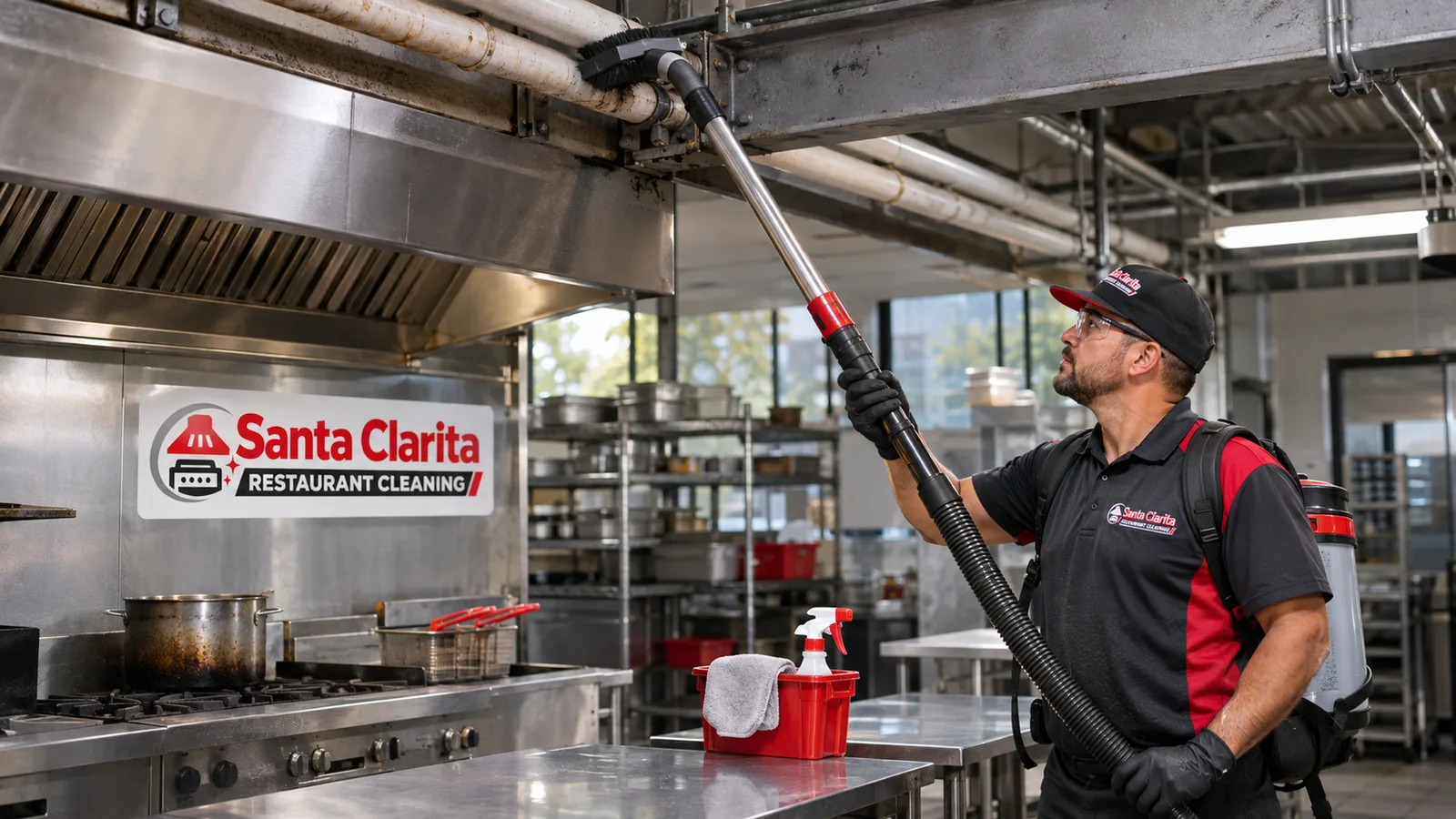
Overhead cleaning scope
Restaurant High Dusting Burbank addresses the areas routine wiping and floor care cannot reach. Dust and greasy residue can collect on ceiling ledges, exposed pipes, conduit, sprinkler lines, light housings, wall tops, duct exteriors, and the upper surfaces of equipment. Once disturbed by vibration or air movement, loose material may fall toward preparation and storage areas.
Santa Clarita Restaurant Cleaning develops the scope around the kitchen's layout, soil level, and available shutdown window. Before cleaning starts, an experienced restaurant team in Santa Clarita, CA prepares for controlled work in occupied commercial spaces and coordinates the route. Our Santa Clarita base also provides practical access to Burbank through the Interstate Five corridor, while the actual schedule is set around the restaurant's service hours rather than commuter convenience.
High dusting is distinct from cleaning inside a grease exhaust system. A written scope should identify the surfaces included, access restrictions, equipment protection, and any components that require another qualified trade. This keeps the work focused and gives managers a clear basis for evaluating completion.
High-reach focus areas
The work commonly covers exposed ceiling structures, beams, rafters, accessible pipes, suspended signs, cable trays, diffusers, vents, light exteriors, refrigerator tops, shelving tops, and other horizontal surfaces beyond normal reach. The exact list depends on the building and what can be accessed without moving or interfering with protected systems.
Burbank restaurants occupy varied commercial settings. Downtown Burbank locations may need tightly timed work because dining rooms and kitchens often operate on long service schedules. Magnolia Park has storefront businesses where access and staging can be constrained by compact back-of-house areas. Restaurants near the Media District may need cleaning coordinated around production-related traffic, deliveries, or building rules. In each case, the useful local detail is operational: when the kitchen becomes available, where equipment can be staged, and how removed soil will be contained.
Methods are selected by surface and residue. HEPA-filtered vacuuming can capture dry, loose material at the source. Extension poles and microfiber tools reach ledges without spreading dust through unnecessary agitation. Greasy deposits may require compatible degreasing and controlled hand wiping after nearby food, utensils, and equipment are protected. Wet cleaning is not suitable for every ceiling material, electrical component, or fire-protection device, so those conditions are identified before work begins.
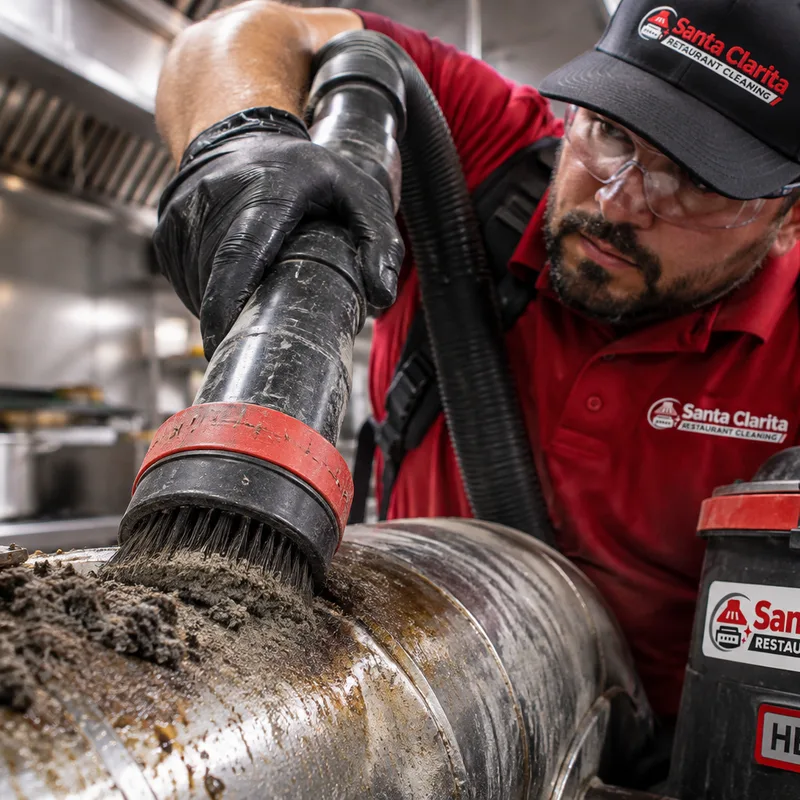
Service priorities
Loose dust is vacuumed or captured with appropriate tools rather than brushed into the room. Nearby preparation surfaces, smallwares, and exposed equipment are protected before overhead work starts.
Accessible surfaces with bonded residue may receive a compatible degreaser and hand wiping. Product choice and dwell time depend on the finish, soil load, and proximity to sensitive components.
Extension tools, commercial vacuums, and suitable access equipment are selected after checking ceiling height, aisle width, floor conditions, and overhead obstructions.
Food and movable utensils should be removed or fully protected. Work zones are isolated as practical, and loosened material is collected before lower surfaces receive final attention.
The scope distinguishes surface cleaning from internal exhaust-duct service, electrical repair, ceiling repair, and adjustment of sprinkler or fire-suppression components.
The completed work is checked against the agreed surface list. Managers can identify access limitations or remaining areas that require a separate shutdown or another qualified contractor.
Cleaning workflow
The first review identifies ceiling height, exposed structures, grease concentration, fragile finishes, electrical fixtures, fire-protection equipment, and obstacles over cooking or preparation zones.
Included surfaces and exclusions are documented. The work window accounts for cooking shutdown, cooling time, food removal, deliveries, building access, and the restaurant's reopening needs.
Food and utensils are cleared or protected, equipment is covered where appropriate, and a safe route is established for tools and access equipment. Cleaning chemistry is kept away from incompatible surfaces.
Technicians address overhead surfaces first so captured or loosened soil does not contaminate completed lower work. Dry removal generally precedes targeted degreasing where wet methods are suitable.
Protective coverings and collected debris are removed, affected lower surfaces are addressed, and the agreed work is reviewed before the kitchen is released for normal setup.
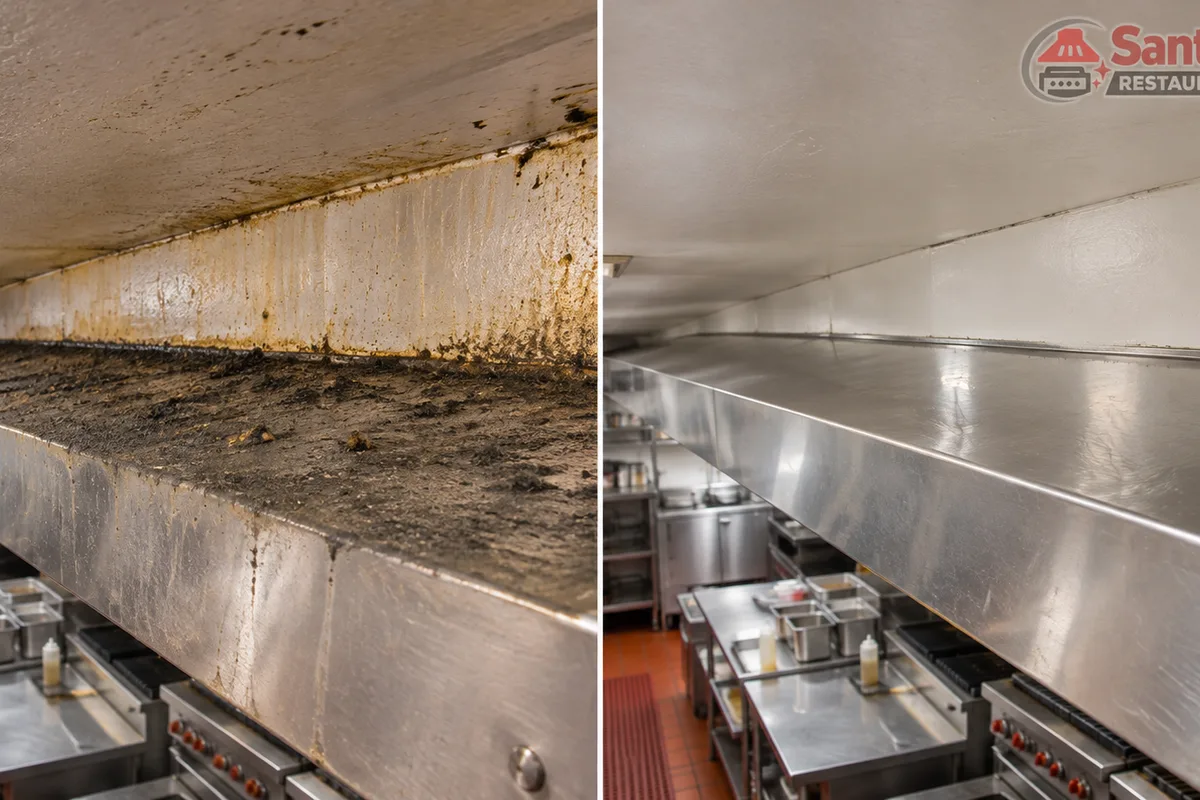
Coordinated maintenance
Overhead residue does not stay isolated. Airflow, heat, vibration, and maintenance activity can move loose debris onto equipment tops and other lower surfaces. For that reason, Restaurant Kitchen Cleaning Burbank should be sequenced carefully when it includes both high and low areas. Cleaning high surfaces after counters and equipment have already been detailed creates avoidable repeat work.
Frequency is based on actual conditions rather than a fixed promise. Open ceilings create more horizontal collection points than smooth, enclosed ceilings. Frying and high-volume cooking can leave adhesive grease films that hold airborne dust. Construction nearby, HVAC work, and long intervals between overhead service may also increase the initial soil load. A restaurant with light dry dust has a different scope from a kitchen with layered grease on pipes and structural members.
High dusting does not replace daily sanitation, hood and duct cleaning, pest management, HVAC maintenance, or fire-suppression service. It fills the gap between routine reachable cleaning and specialized system work. The best maintenance plan assigns each surface and component to the correct task, method, and qualified provider.
Worksite boundaries
Commercial high dusting should begin only after the work zone is safe to enter. Hot appliances need adequate cooling time, walking surfaces must support stable access, and aisles need enough clearance for the selected equipment. Technicians should not stand on counters, cooking equipment, storage racks, or improvised platforms. Ladder or lift selection depends on height, reach, floor condition, and overhead obstructions.
Sprinkler heads, alarms, detectors, wiring, and fire-suppression components require particular care. Cleaning around accessible exteriors does not authorize adjustment, disconnection, testing, or repair. Damaged fixtures, active leaks, unstable ceiling material, exposed conductors, or suspected hazardous material should be referred to an appropriate qualified professional before cleaning continues.
Burbank food facilities operate under Los Angeles County public-health oversight. A cleaning plan can support orderly maintenance and sanitation, but it is not a guarantee of inspection results. Managers remain responsible for food protection, facility condition, required records, and any specialized service obligations. The most useful proposal states exactly what will be cleaned and avoids vague claims that combine unrelated regulatory tasks.
Clear preparation plan
A useful high-dusting plan identifies each included overhead surface, the access method, the protection required below it, and the shutdown window available for completing and reviewing the work.
Ceiling ledges, pipes, equipment tops, light exteriors, vents, and other accessible areas are named so completion can be checked against an agreed scope.
Ceiling height, aisle clearance, floor condition, fixed equipment, and overhead obstructions determine which extension tools, ladders, or lifts may be suitable.
The schedule accounts for shutdown, cooling, food and utensil removal, equipment protection, cleaning, soil recovery, review, and the kitchen's normal reopening setup.
Get a written surface list, access plan, and proposed work window so your team knows what must be cleared before overhead cleaning begins.
Call for a Free QuoteCommon questions
Restaurant high dusting is usually priced after reviewing square footage, ceiling height, soil level, and access rather than by a universal flat rate. A compact kitchen with reachable dry dust requires less labor and protection than a large open-ceiling space with bonded grease, crowded equipment, or lift access. Night scheduling, parking or loading limits, and building access can also affect the proposal. The exact price should be confirmed in a written scope after the conditions are inspected.
High dusting is generally best scheduled when food preparation and service have stopped. Overhead work may release debris, require protective coverings, occupy aisles, and involve cleaning products that should be kept away from active food handling. Burbank restaurants with lunch and dinner service often need an overnight, early-morning, or planned closure window. The kitchen must also have enough time for equipment to cool and for normal setup after cleaning.
Internal hood and exhaust-duct cleaning should be treated as a separate specialized scope unless it is expressly included by a qualified provider. High dusting may cover accessible exterior surfaces around ducts, hoods, and nearby structures, but it does not include opening exhaust systems, servicing fans, or working on fire-suppression components. The proposal should state these boundaries clearly so managers can coordinate each task with the proper contractor.
The interval should be based on visible accumulation, cooking volume, ceiling design, airflow, and the type of residue present. Open structural ceilings and grease-producing cooking can require more frequent review because they provide many collection points and create adhesive films. A practical approach is to inspect overhead surfaces during routine facility checks and schedule service before deposits become heavy or begin shedding.
Staff should remove or securely protect food, utensils, disposable service items, and other exposed materials before overhead work begins. The planned aisles should be clear, designated equipment should be shut down, and hot appliances need time to cool. Management should also identify alarms, access restrictions, recent repairs, leaks, and sensitive equipment during the walkthrough. These steps help the crew build a safer, more accurate work plan.
Ceilings over fixed equipment may be cleanable when there is a safe access method and the equipment can be shut down, cooled, and protected. The answer depends on reach, hood placement, floor space, heat, overhead obstructions, and whether a ladder or lift can be positioned safely. If safe access is unavailable during the first work window, that area may need a separate shutdown or a different access plan.
Cleaning should pause around unstable material, exposed wiring, active leaks, or other conditions that may create a hazard. The issue should be documented and referred to the appropriate property representative or qualified trade before that area is disturbed. Cleaning crews should not conceal damage or attempt repairs outside the agreed scope. Older or altered commercial interiors deserve a careful visual review before overhead debris is agitated.
Tell Santa Clarita Restaurant Cleaning about the kitchen layout, ceiling conditions, operating schedule, and access limits. We will use those details to discuss a practical scope and preparation plan.